
Breaking Down the True Cost of Fixing a Damaged Roof
Understanding the financial implications of structural restoration is essential for every homeowner facing sudden property maintenance needs. When unexpected weather strikes or aging materials fail, securing a qualified local roofer becomes an immediate priority for protecting your real estate investment. Evaluating repair expenses requires analyzing several dynamic factors, including the structural extent of the issue, necessary material upgrades, physical labor requirements, and local permitting protocols. Homeowners must also account for hidden costs like underlying decking rot, seasonal labor shifts, dumpster rentals, and financing interest rates. By systematically reviewing these financial components, you can build a realistic budget, protect your home's long-term equity, and navigate the entire restoration process with absolute clarity.
Assessing the Structural Damage
Identifying subtle vulnerabilities early prevents minor defects from escalating into full-scale structural crises. Homeowners should regularly inspect their property for broken or missing shingles, ceiling discoloration, sagging rooflines, moss accumulation, and damp attic insulation. Physical shingle granules collected around exterior downspouts often signal accelerating material degradation that requires immediate attention. Addressing small leaks immediately mitigates internal framework rot, prevents dangerous mold propagation, and keeps overall restoration pricing entirely manageable.
Comprehensive evaluations require examining both exterior roofing surfaces and internal supporting structures. A professional local roofer inspects flashing around chimneys, checks gutter alignment, tests structural decking stability, and scrutinizes attic ventilation systems to ensure complete envelope protection. Specialized thermal imaging equipment and technical expertise allow qualified contractors to locate subtle water intrusion pathways that unaligned eyes miss entirely. According to Roofer's Guild, hailstorms remain one of the top causes of roofing emergencies in 2026. Detailed diagnostic reports clarify exact material requirements, labor timelines, and overall project costs.
Failing to address initial damage rapidly compounds the final restoration bill. Water naturally follows gravity, traveling along internal rafters and wall studs far from the original point of entry, making accurate tracing essential. Professional assessments evaluate not only the visible surface layers but also the underlying sheathing and structural trusses. This comprehensive approach prevents cosmetic fixes that merely hide ongoing internal decay. Receiving a clear, itemized assessment empowers homeowners to make informed decisions regarding targeted repairs versus complete system replacements.
Balancing Material Selection
Selecting suitable restoration products directly dictates both immediate out-of-pocket expenses and long-term durability. Standard asphalt architectural shingles offer an economical entry point, making them popular for quick budget fixes and reliable mid-range performance. Premium alternatives like natural slate, standing-seam metal, cedar shakes, or synthetic composites carry significantly higher initial price tags but provide superior weather resistance and extended lifespans. Matching material performance to your regional climate ensures maximum return on investment without requiring constant interim fixes.
Accurate material budgeting extends far beyond buying outer surface shingles. Comprehensive project estimates must account for secondary essentials, including high-performance synthetic underlayment, drip edges, ridge vents, starter strips, pipe boots, ice and water shields, and specialized galvanized fasteners. Supply chain shifts and raw material costs directly influence component pricing, making early material commitments advantageous. Partnering with a trusted local roofer helps secure wholesale material pricing and strong manufacturer warranties, balancing immediate construction costs with lasting, resilient performance.
In addition to durability, material selection impacts your home's overall thermal management and curb appeal. Modern roof technology and reflective solar-rated shingles reduce attic heat accumulation during peak summer months, lowering household air conditioning demands and cooling bills. Selecting composite or metal systems can also qualify homeowners for premium discounts through property insurance carriers due to elevated impact ratings. Taking time to weigh long-term energy savings against initial material purchases ensures a balanced financial strategy tailored to your lifestyle.
Evaluating Labor Expenses
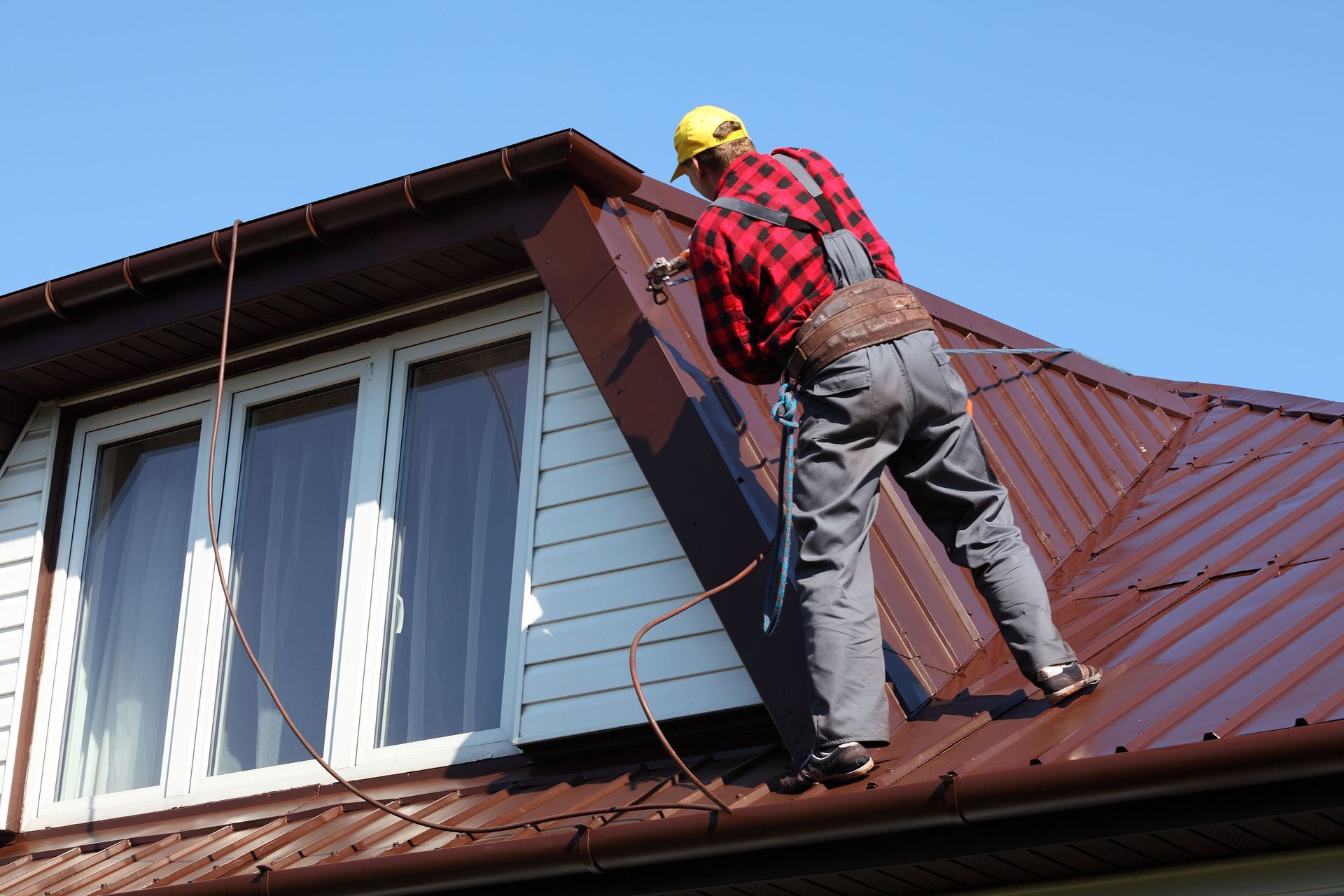
Labor charges fluctuate based on structural repair complexity, roof pitch, height, regional wage benchmarks, and contractor credentials. Steeply pitched or multi-story structures demand specialized rigging, safety harnesses, scaffolding, and additional crew members, driving up overall hourly installation rates. Furthermore, seasonal demand surges during major storm recovery periods often impact contractor availability and labor pricing structures. Understanding these variables helps homeowners anticipate final billing statements accurately without surprises.
Choosing between large general contracting firms and independent local workers requires balancing cost against guarantees. Established contractors typically maintain comprehensive workers' compensation insurance, general liability coverage, safety compliance, and direct manufacturer certification. While independent labor may offer lower baseline estimates, certified professionals provide critical protections against personal liability, poor craftsmanship, and costly installation errors. Openly discussing project timelines, payment milestones, and crew sizing ensures complete financial transparency before work commences on site.
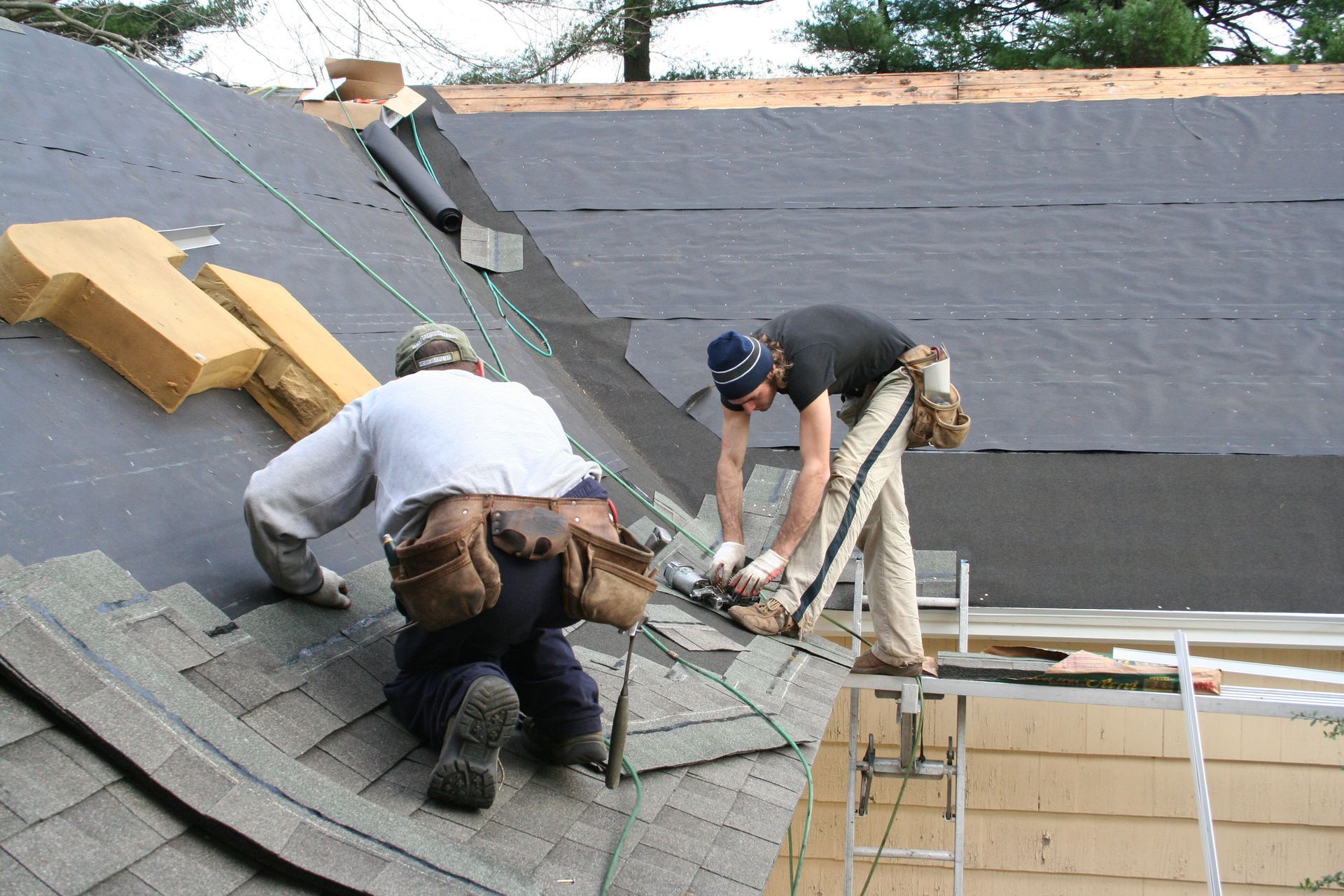
The efficiency and expertise of your installation crew heavily influence the project's overall duration. Skilled labor teams execute tear-offs, decking replacements, and precision flashing installations rapidly, minimizing the time your home's interior is exposed to external weather elements. Premium labor costs reflect specialized training, safety certifications, and specialized tools that yield flawless seals around complex architectural features. Investing in high-grade workmanship guarantees that superior materials perform at their absolute highest capacity for decades.
Navigating Municipal Permits
Adhering to municipal building codes is mandatory for maintaining legal compliance, property insurance coverage, and structural safety standards. Local building ordinances define strict guidelines regarding wind uplift resistance, fire safety ratings, structural weight limits, and material installation methods. Attempting structural repairs without securing proper municipal documentation can result in heavy regulatory fines, forced construction halts, or complete project rejection during property resale. Partnering with a licensed local roofer ensures all administrative filings align with current municipal codes.
Permit acquisition fees vary based on jurisdiction, total project scope, structural changes, and estimated construction valuation. Municipal building inspectors evaluate the property at key construction milestones, such as post-tear-off decking checks and final ridge sealing, to verify that all structural work complies with regional safety standards. Factoring inspector fees and administrative permit costs into your initial project budget prevents mid-project financial shortfalls. Compliance secures your property investment while ensuring long-term structural safety and seamless real estate transactions.
Working within municipal frameworks also protects neighborhood aesthetics and historical district standards where applicable. Certain jurisdictions mandate specific color palettes, material types, or architectural profiles to maintain community cohesion and property values. Experienced contractors handle the administrative burden by submitting detailed blueprints, material specification sheets, and permit applications directly to local planning boards. This proactive administrative management ensures your project proceeds legally, smoothly, and without costly bureaucratic delays.
Managing Contingency Budgets
Unforeseen structural damage frequently emerges once contractors tear away existing shingles and underlayment layers. Concealed wooden decking rot, rusted flashing, inadequate fastening, or insect infestations require immediate remediation before new materials can be applied. Maintaining a dedicated contingency reserve, typically 10 to 20 percent of the total project baseline, protects your household budget from unexpected mid-project cost spikes. Flexible financial reserves ensure work proceeds smoothly without dangerous delays or compromised construction standards.
Navigating insurance claims and third-party financing provides essential safety nets for emergency repairs. Insurance policies often cover sudden environmental losses like windstorms or fallen trees but exclude standard age-related wear and tear, making precise documentation vital. When policy claims fall short, home equity loans, personal credit lines, or flexible contractor payment plans help bridge funding gaps. Establishing clear financial strategies allows homeowners to handle unexpected structural repairs promptly, securing the property against further environmental damage.
Repairing a damaged roof requires balancing material choices, labor dynamics, regulatory permits, and unexpected structural contingencies. Evaluating these core elements strategically allows you to manage home restoration efficiently without sacrificing construction quality or financial peace of mind. By securing detailed inspections, selecting high-performance components, and establishing clear financial plans, you protect your property investment for decades to come. For more information about the services that we offer, reach out to our incredible team at Greenland Construction Services today!
Share On: